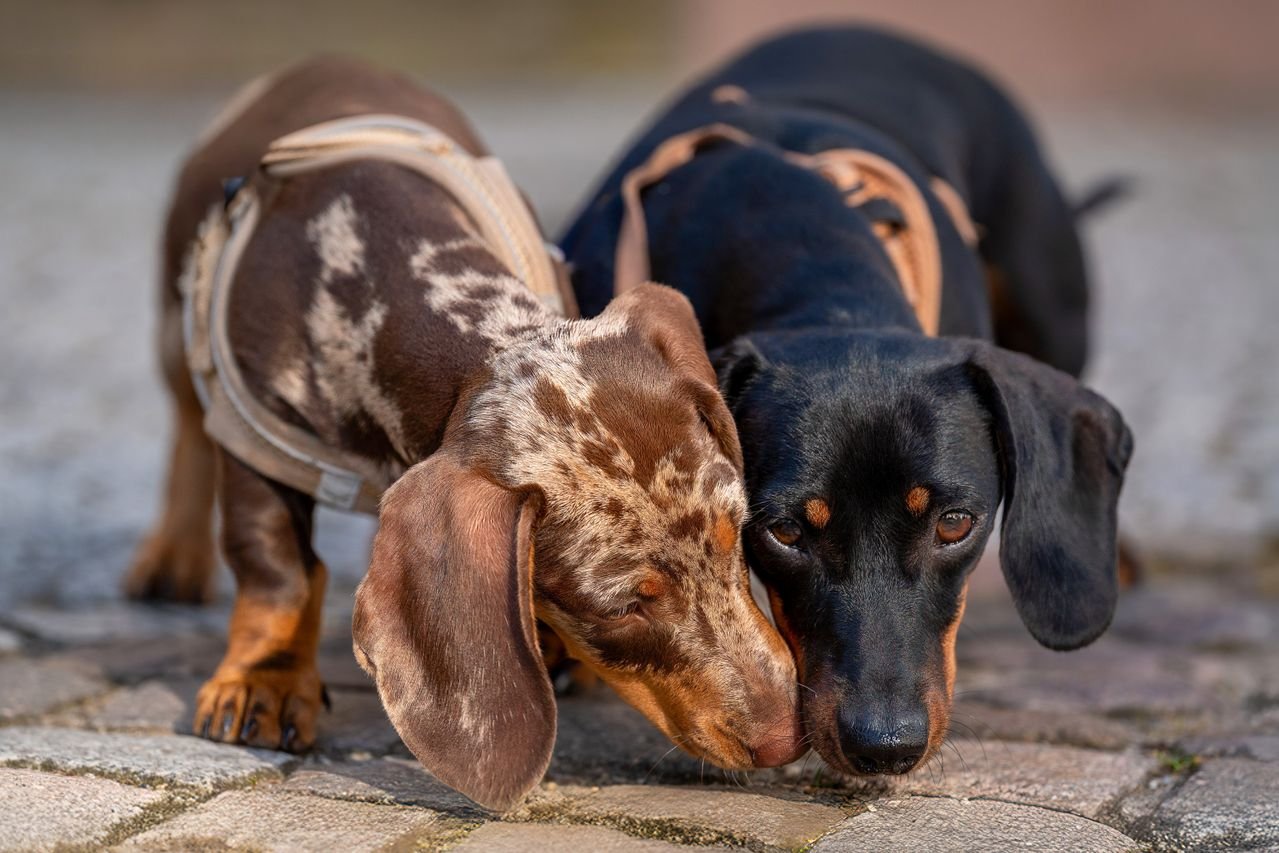
Dachshund in an apartment: A hunting breed in disguise
A Dachshund in an apartment looks like the most natural match in the world: the breed is compact, it is funny, it is happy to curl up on a sofa, and in German cities it is such a familiar sight that nobody looks twice. And yet, owners who bring one home often find within a few months that the sofa companion they pictured has a very different personality underneath, one that digs, barks at the stairwell, follows a scent straight through a crowded pavement and turns out to have a mind of its own about almost everything. The reason is simple: the Dachshund is not a lap dog that happens to be long, it is a working hunting dog in a small package, and a flat is a very different place from the burrow it was designed for.
What the Dachshund was actually bred to do
The breed comes from Germany, and the name itself says what it was for, because Dachs is the German word for badger. Dachshunds, placed in FCI Group 4, were developed to go into the burrows of badgers and foxes, to find the animal underground, to hold it there, and to do all of this with considerable courage and with very little supervision, because once the dog was in the earth, the hunter could not tell him what to do. They were also used to follow the blood trail of wounded game, which is careful, patient scent work that goes on for a long time.
Everything that people call a “quirk” in the breed follows from that. The long body and short legs were built for tunnels, the loud, deep bark was built so that the hunter could hear a dog underground, the digging is a working instinct, and the stubborn independence is the trait that made the dog useful when nobody was there to give instructions. A dog selected for that kind of independence will not behave like a dog bred to wait for a command.
The nose, the bark and the burrow
Three traits shape everyday life in a flat more than any others.
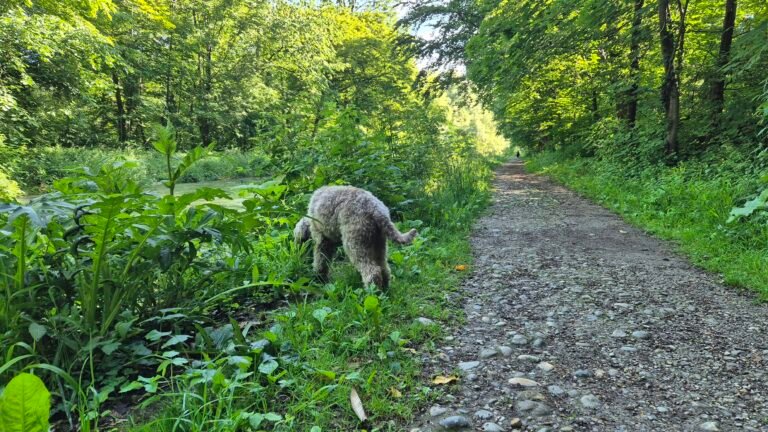
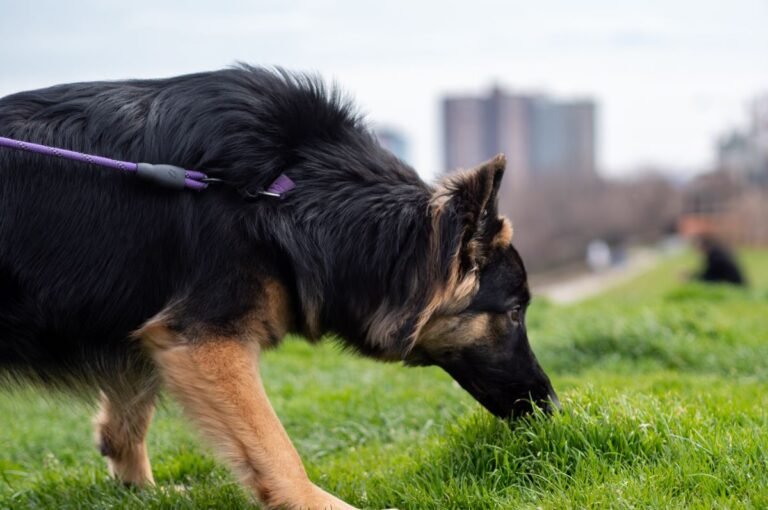
The nose. Alexandra Horowitz, who studies canine cognition and wrote Inside of a Dog, has described how thoroughly smell organizes a dog’s experience of the world, and in a scent-driven hunting breed that is especially true. On a city pavement the Dachshund is not simply taking a walk, he is reading a newspaper, and he will stop, pull or simply refuse to move on when he finds something interesting. That is not disobedience, it is the job.
The bark. A Dachshund’s voice is much bigger than the dog, and in a building it is a noise people notice. The dog barks at footsteps, doors, the lift and the doorbell for the same reason a guard dog does, because noticing and reporting is part of the work, and a dog bred to be heard underground will not whisper.
The burrow. Many Dachshunds dig at carpets, burrow into blankets and disappear under the duvet, and this is the same instinct brought indoors. It is far kinder, and far more effective, to give the instinct a safe outlet than to forbid it, and I will say how below.
The stairs question every city owner should know about
There is one thing about Dachshunds in cities that deserves a more serious note than the rest, and that is the back. The breed’s long body and short legs make it prone to intervertebral disc disease, a condition in which the discs between the vertebrae can bulge or rupture, causing pain and in serious cases paralysis. Research by Rowan Packer and colleagues at the Royal Veterinary College has linked the risk to the body shape that gives the breed its look, and vets commonly advise reducing repeated jumping and heavy stair use, especially in puppies and in dogs who are overweight.
In an apartment building this matters, because many flats mean stairs several times a day. If you live up a flight or more, carrying a small puppy and building up stair use gradually, as your vet advises, is worth discussing before the habit sets in. At home, ramps or steps to the sofa and bed save the back from dozens of small jumps a day. Keeping the dog slim is the single most effective thing owners can do, because extra weight puts extra load on the spine. Please speak to your own veterinarian about all of this, because the right advice depends on the individual dog.
Exercise: Smaller body, real needs
Because the Dachshund is small, people often assume the exercise need is small too, and it is not. A hunting breed that was developed to work at length needs real, regular exercise, but what he needs most is not speed or distance, it is sniffing. A slow, unhurried walk where the dog is allowed to stop and investigate does more for a Dachshund than a brisk march, because it uses the very part of him that was bred for work.
Stanley Coren’s rankings of working and obedience intelligence place independent, scent-driven hunters such as hounds and terriers in the lower half for fast obedience, and that is worth keeping in mind as you train. It does not mean they are slow, it means they are making their own decisions, and they respond far better to rewards and to patience than to repetition and pressure.
What actually helps a Dachshund in an apartment
Give the nose a job every day. Scatter a few treats in a rolled towel or hide them around the room, and let the dog hunt. For a breed that was used to follow trails, this is the most satisfying indoor activity there is, and ten minutes can settle an evening.
Give the digging somewhere to go. A blanket that he can burrow under, a tunnel or a box with a soft cover satisfies the instinct and protects your sofa and carpets.
Work on the bark early. Teach a mat or bed near the door, reward him for going to it when he hears a noise, and reduce what he can see and hear from the window and the stairwell, so the alarm barking has less to practise on.
Build short, calm separations. Dachshunds are often closely attached to their owners, and being left can be difficult, so start with a few minutes and a chew toy and increase gradually.
Protect the back. Ramps, a healthy weight and a sensible approach to stairs, discussed with your vet, all help.
Do not underestimate the courage. Dachshunds often behave as though they were much bigger than they are, and a bold small dog who walks up to a large dog on a narrow pavement can get into trouble fast. Keep the lead short around unknown dogs, and watch for signs that he is getting overexcited.
Who should think twice
A Dachshund is a good city dog for someone who enjoys a stubborn, funny, brave character, who is willing to put up with some barking and digging while it is shaped, who can manage stairs sensibly and who is prepared to do daily scent work. It is a poorer match for someone who wants a quiet, obedient companion with no strong opinions, or for a household where the dog will spend long hours alone.
If you want to understand how your dog tells you he has had too much stimulation, including the quiet signs most owners miss, I put together a free guide, “5 Signs Your City Dog Is Overwhelmed,” which you can grab here.
Frequently Asked Questions
Can a Dachshund live in an apartment?
Yes, they adapt well to small spaces, but they are hunting dogs, so they need daily sniffing and mental work, and their back needs protecting from too much jumping and stair use.
Do Dachshunds bark a lot?
Often, yes. The breed was developed to give a loud, carrying bark underground, so alarm barking at doors and footsteps is common, but it can be reduced with a mat routine and by limiting what the dog sees and hears.
Are stairs bad for Dachshunds?
Repeated stair use and jumping can add strain to the spine, especially for puppies and overweight dogs. Ask your vet how to manage stairs and furniture for your individual dog.
Why does my Dachshund dig at blankets and carpet?
Because burrowing is part of what the breed was bred for. Giving him a blanket to dig into, a tunnel or a box with a soft cover usually helps more than trying to stop the behavior.
How much exercise does a Dachshund need?
It varies with size and age, but most do best with a good daily walk at his own pace, with plenty of time to sniff, plus short mental games at home.
Sources & further reading: canine olfaction and cognition, Alexandra Horowitz, Inside of a Dog; breed differences in working and obedience intelligence, Stanley Coren, The Intelligence of Dogs; conformation and disc disease risk in Dachshunds, Rowan Packer and colleagues (Royal Veterinary College), PLoS ONE, 2013.